




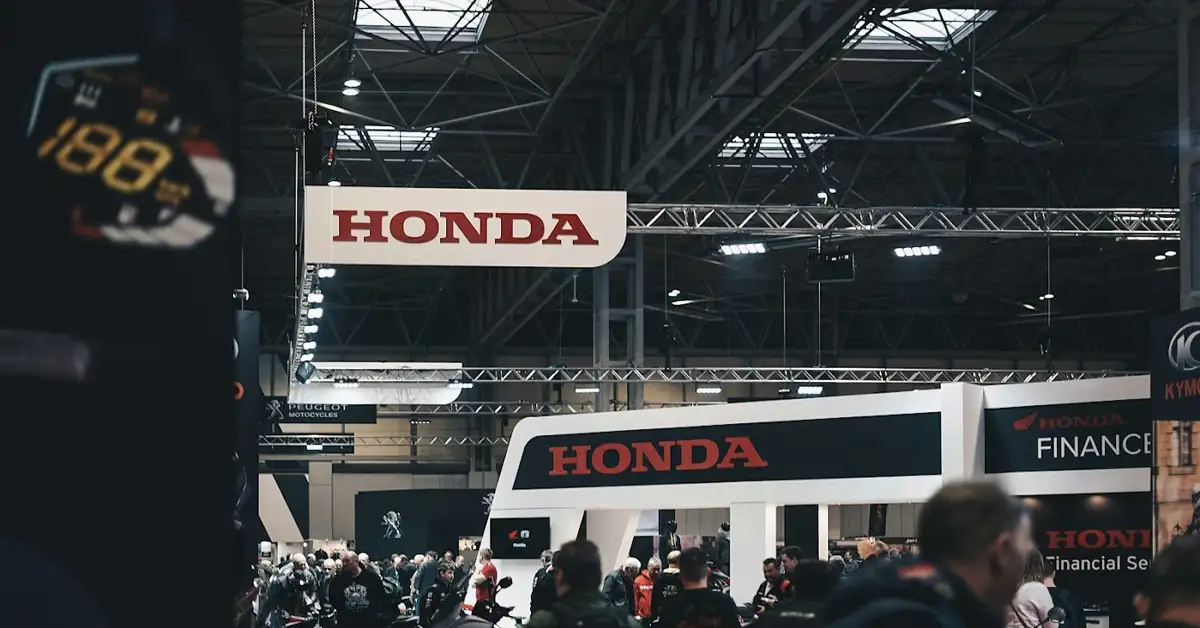
An exhibition stand design is more than just a booth; it’s the first impression people get of your brand. For many people, this is what your brand is and means, and you don’t want to screw this up.
A well-thought booth design for exhibition should align with your brand and what your potential customers or partners are looking for. It should visually represent your brand, products, and services at the trade show. It’s more than just a “booth.” It’s your brand in real life. It’s the first impression many people will have of your company, and it must not just match your brand’s colors, positively and professionally represent your brand, but leave a long-lasting mark.
This guide will provide insights into exhibition booth design ideas and how to achieve them. It includes step-by-step instructions, practical tips, and creative concepts to make your booth appealing and strategically effective.
How to design a booth for exhibition step-by-step
- Set clear objectives – Before brainstorming creative ideas for your exhibition booth design, it’s essential to consider your goals—showcasing exciting product launches, generating valuable leads, or boosting brand awareness. By defining clear objectives, you can truly make the most of your time at the exhibition and likely see a tremendous increase in your return on investment!
- Research & Brainstorm design ideas – Once you have successfully outlined the objectives, it’s time to brainstorm the most appropriate design for your case. To do this, consider innovative decorating ideas vendor booth ideas that align with your brand, and help you make a statement. A good website to look for exhibition booth design ideas is Pinterest. You can find an extensive catalog of creative concepts and renders other companies and indie designers make there.
- Plan the layout – Carefully consider optimizing your booth to arrange exhibition stall designs and furniture within a limited space. Ask yourself, “How will visitors flow through the booth?” Viewing it from an attendee’s perspective will provide a more objective viewpoint, which you should utilize to create a layout that reflects what you, as the attendee, would appreciate. Design your booth accordingly. This may sound easy, but you might be surprised at how often booths are arranged without considering the attendee’s experience.
- Create a Mockup or 3D Model – You should always draft a visual representation of your booth so you can visualize your exhibition stand design in a realistic environment.
Incorporate exhibition booth design ideas such as backlit walls, banners, or digital displays. This will help you iterate on your design to make things fit. Booth space is typically small and expensive, so you must make the most of what you have! - Create the branding and graphics – Create high-impact designs that leave a lasting impression on your visitors. These designs should be clear, bold, and memorable while consistently aligning with your brand guidelines.
Whether you use posters, banners, or displays, always ensure you utilize high–quality graphics and well-placed logos and that all brand elements remain recognizable. Remember that your exhibition stand design is not just about aesthetics but about making a statement and leaving a positive first impression on people. - Test & adjust – If possible, conduct a trial run. First, double-check for any misspellings on all graphics and signage, including banners and display content. Additionally, ensure that the technology functions properly, and that you can navigate the booth smoothly for an optimal experience.
- Set up the booth on the day of the event – Arrive early to double-check everything and troubleshoot any last-minute issues. Ensure all items are positioned correctly, and have your promotional materials ready and anything else that needs to be charged, such as VR glasses. Review your checklist, and once you’re ready, take a short break because the exciting part is about to begin.
Some types of exhibition stands
How big should your booth be, or what display should you use? While every event might offer a variety of footprints, these are the three most common exhibition stand sizes:
Perfect for smaller brands or first-time exhibitors who want trim and cost-effective options.
Best for companies looking for more room for product showcases and interactive demos.
Established brands or those companies needing spacious and high-impact booths.
Decorating tips for Specific events
- Health Fairs
Check display health fair booth decorating ideas that emphasize cleanliness and welcoming vibes. Consider health fair booth decorating ideas that include white and bright colors to transmit cleanliness and elegance and some greenery to make it cozy and, therefore, more inviting for attendees to stop by your booth.
- Job fairs
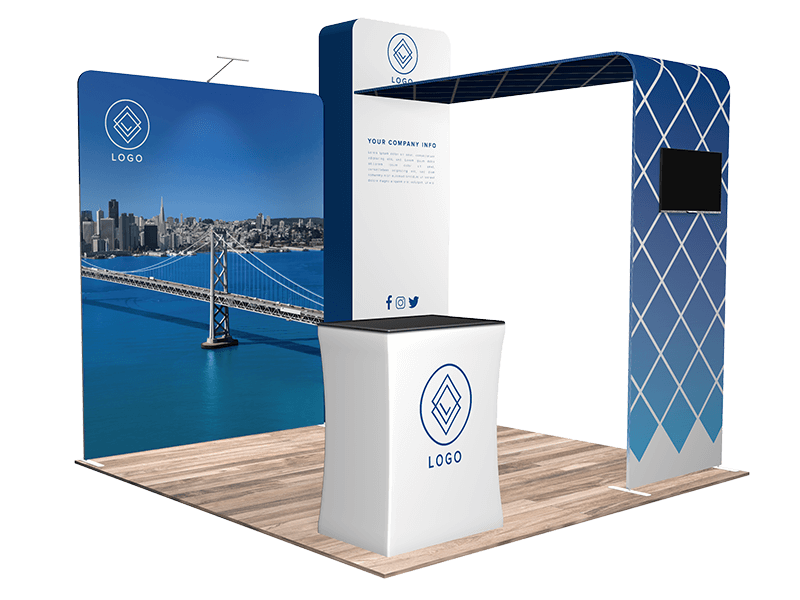
How to decorate a job fair booth: Use dark or neutral colors and office-like accessories. Darker colors create a sense of seriousness and professionalism in the workplace, which you can replicate in your booth. Therefore, keep the exhibition booth design simple while incorporating branded banners with clear messaging.
In addition, include other functional elements, such as custom logo tables with brochures and business cards or monitors showcasing your company’s promo video.
Keeping your booth simple makes it look clean, organized, and appealing to visitors.
- Vendor booths at trade shows
Use vendor booth decorating ideas that help you adhere to your brand guidelines. For example, consistently use the same brand colors, logotypes, and promotional materials. A simple exhibition booth design with a minimalist-modern look can help your brand appear more professional, building trust and encouraging attendees to approach you.
Always read the air. If you know that the fair or trade show you will be attending will not tend to have modern-looking booths, consider investing in an enhanced design to stand out from the crowd.
Conclusion
A successful exhibition stand design begins with a strong brand identity, a strategic layout, and comprehensive testing before the event. Every aspect of your exhibition stand design should collaborate to attract visitors, effectively communicate your message, and leave a lasting positive impression, ensuring all your actions align with your company’s brand guidelines.
More Resources For You