




When skies are blue and the weather is mild, trade show marketing can still be difficult to pull off perfectly. But when the forecast takes a turn for the worse, things can get increasingly stressful, and a once-promising event can lose its full momentum. Don’t let the weather catch you off-guard and ruin your marketing efforts. Plan ahead for a successful trade show, regardless of rain, snow, or shine with these 10 essential tips!
1) Research weather trends
The first thing you should do is consider the location and time of year that the trade show will be taking place. Then go online and research what the typical weather trends for that time and place are. Your research can include things like average temperatures, precipitation levels, humidity, and frequency of extreme weather events.
This historical data will help you more accurately anticipate what the weather will be like on the day of the trade show. For instance, if it is scheduled for a summer month in a region known for high humidity and thunderstorms, you can plan accordingly by providing adequate shelter and comfort for your attendees. Conversely, if you’re hosting a winter event in a location prone to snow, having contingency plans for snow removal and heating will be paramount.
Additionally, researching local weather trends can inform your decisions on trade show booth design and even promotional items. For example, if rain is a common occurrence during that season, you can be sure to use waterproof materials for your trade show displays. If heat could be a concern, perhaps using branded hand fans as giveaway items would be a good promotional tactic.
2) Consider your goals

What are your goals and how do you plan to achieve them? While some companies simply want to raise awareness of their brand by passing out promotional material, others might want to host product demos or capture leads by enticing prospective customers with cool freebies. Certain methods will take longer than others, making it more critical to consider your visitors’ comfort when planning your trade show booth design.
Providing shade, warmth, or shelter from the elements can significantly impact peoples’ willingness to visit and stay at your trade show booth. Because of this, a well-thought-out design that prioritizes comfort even in bad weather can lead to higher engagement and visitor satisfaction.
And don’t forget about the visual aspects when designing your booth! Ensure that your branding is prominently displayed and easily readable, even in poor weather. This can involve using bold colors and clear fonts that stand out, helping your message reach attendees despite any distractions caused by rain or wind.
3) Prepare for safety

When hosting an event in bad weather, prioritizing safety is essential for both your guests and staff. Start by confirming that your team has everything they need to stay safe and comfortable throughout the day. For instance, in hot weather, providing ample water is necessary to prevent heat-related illnesses. Encourage staff to take regular breaks in shaded or air-conditioned areas to recharge.
In colder or rainy conditions, make sure staff have appropriate clothing, such as raincoats or thermal gear, to stay warm and dry. Additionally, set up safety protocols for slippery surfaces and certify that walkways are clear and well-marked to prevent accidents at your trade show booth.
Communication is also key. Equip your team with walkie-talkies or set up a group chat to quickly relay any safety concerns or emergencies. This way, everyone can stay informed and responsive, fostering a safer environment for all.
4) Make your booth irresistible

It can be difficult to convince people to come out during less-than-ideal weather, as most will feel inclined to stay at home in their cozy, temperature-controlled homes. How do you get these people to feel compelled to brave the elements and come to your trade show booth?
Offering incentives like special promotions or giveaways is a great way to encourage attendance despite weather challenges. Create limited-time offers or discounts available only during the event. This creates a sense of urgency and encourages attendance. You can also plan fun, interactive activities that draw people in, such as product demos, games, or challenges that encourage participation.
Be sure to leverage social media, your website, and other communication channels to build up anticipation for your event and to communicate how much fun attendees can have despite the weather!
5) Set up early
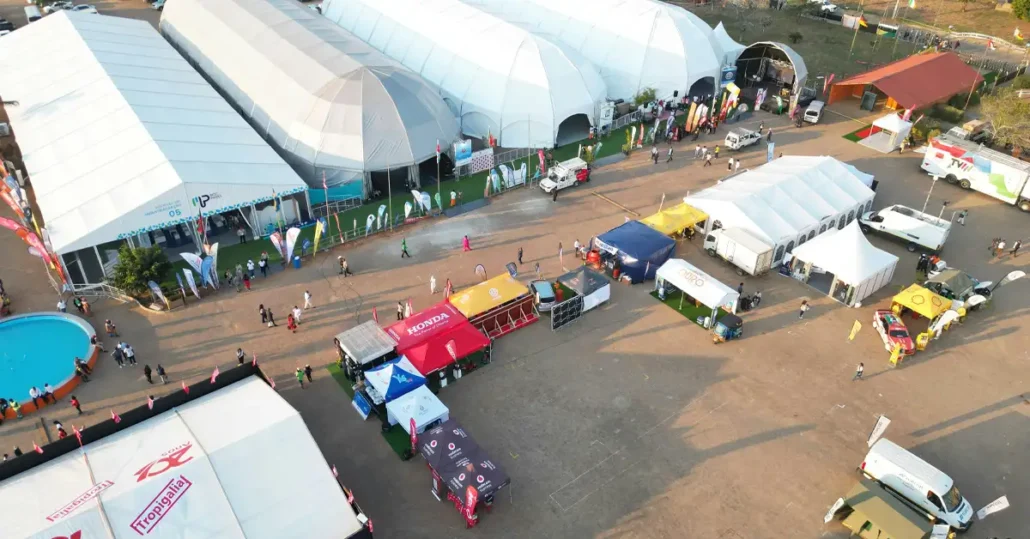
Set up your trade show booth earlier than usual to give yourself time to address any weather-related challenges. You can adjust layouts and even set up additional shelter if needed, all without the pressure of last-minute changes. Being ahead of the game also enables you to check all equipment thoroughly, confirm that tents or canopies are securely anchored, and verify that any weatherproofing measures, like tarps, are in place.
What’s more, getting set up and addressing potential challenges early in the day gives you ample time to communicate updates to your staff and attendees, confirming everyone is informed and on the same page.
6) Monitor the weather

As the event date approaches and throughout its duration, staying informed about the weather forecast is essential. Utilizing reliable weather apps or websites will give you real-time updates that can help you make informed decisions. And remember, monitoring the weather isn’t just about knowing what to expect, it’s about being proactive. If forecasts indicate inclement weather, you can make necessary adjustments, such as securing tents for outdoor areas or providing additional cooling solutions for hot days.
In today’s digital age, accessing real-time weather information is easier than ever. Reliable weather apps and websites, such as The Weather Channel, AccuWeather, or even local news stations, provide detailed forecasts and alerts. However, it’s important to not only rely on one source. Cross-referencing multiple weather services can give you a more accurate picture of what to expect.
You might also want to consider setting up alerts on your smartphone or through email for significant weather changes. This guarantees that you are notified immediately of any updates, allowing you to respond quickly. Some weather apps even provide radar maps, which can be invaluable for tracking storms and understanding their trajectory.
7) Keep your guests and staff comfortable
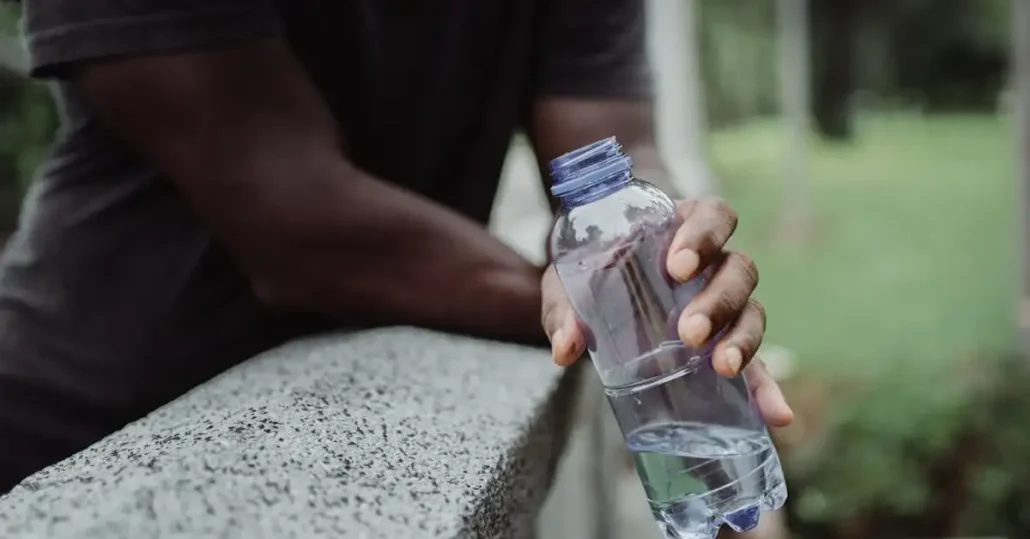
The success of your trade show marketing relies on both your staff and attendees, so you want to make sure that both parties are comfortable, especially in adverse weather. For sunny or hot days, make sure that your staff stays well hydrated and has an easy way to secure water. Additionally, setting up fans can make a big difference in keeping everyone cool and comfortable, and it can even provide an extra incentive for visitors to linger at your booth longer!
Communicate the anticipated weather conditions and appropriate attire to your staff well beforehand so that they can plan to dress accordingly. Additionally, having a supply of weather-related gear on hand, such as ponchos, umbrellas, or gloves, can make a significant difference. Providing these items to your staff ensures they are equipped to handle sudden changes in weather without compromising their performance or professionalism.
8) Have a backup plan
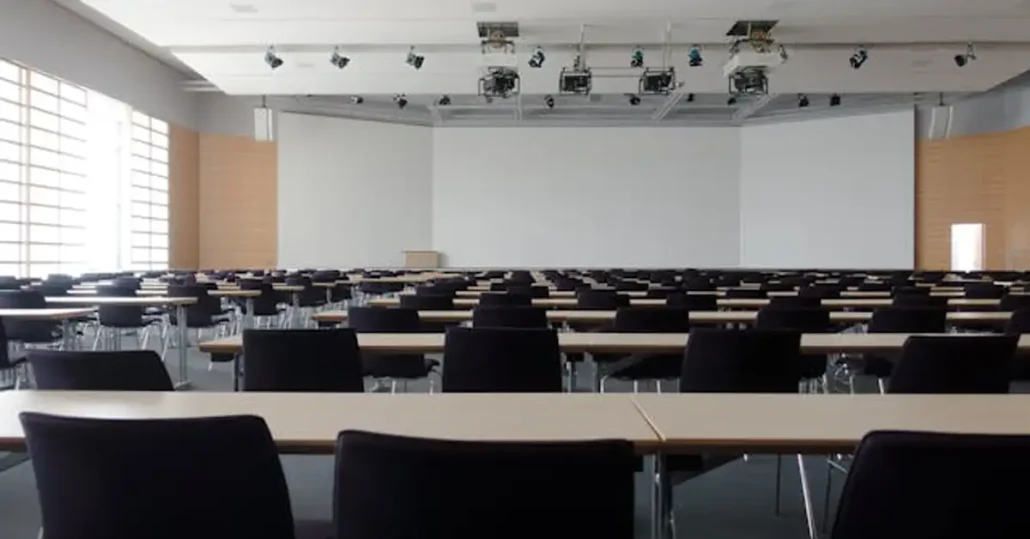
For outdoor trade shows, consider renting tents. These can provide shelter from rain or excessive sun, allowing the event to continue without significant disruptions. However, even with coverings, it’s wise to have a plan for what to do if conditions worsen.
Planning an event in bad weather requires foresight and flexibility to ensure everything runs smoothly, and one of the most important steps is to have a backup plan in place. This might involve adjusting the event schedule, such as moving certain activities indoors or starting them earlier in the day to avoid anticipated rain.
If possible, securing an indoor venue as an alternative can also provide peace of mind. This way, if the weather turns sour, you have a safe and comfortable space ready to accommodate your guests, allowing for a seamless transition and minimizing disruption.
9) Communicate with attendees
Consistent communication before and during the trade show will keep your attendees informed about current conditions and any changes to the schedule. In the days leading up to it, send out updates alongside your trade show marketing content, clearly communicating how the forecast may impact the day’s activities and highlighting any significant changes in plans. During the event, use on-site trade show signs to further remind attendees about any schedule adjustments.
Your event website and social media channels are also perfect for providing real-time updates both before and during your event. Ultimately, utilizing a multi-channel approach will help attendees receive your information in a timely manner, regardless of their preferred communication method. Because of this, it’s best to post your updates on multiple social media pages and consider sending text messages for immediate notifications, all in addition to your email blasts. You can also encourage attendees to follow your accounts or sign up for messages to stay informed throughout the event.
10) Seek actionable feedback

Making feedback collection a regular part of your trade show marketing and booth design process can significantly enhance future event planning. Use platforms like Google Forms, SurveyMonkey, or Typeform to create an easy-to-navigate survey, and include specific questions about attendees’ experiences with weather-related aspects, such as, “How comfortable were you during inclement weather?” or, “Were there adequate communication updates regarding weather changes?”
After collecting the feedback, categorize and analyze the data to identify trends or common concerns regarding weather-related adjustments. Share the findings with your event planning team to refine strategies for future events, making certain you address any recurring issues highlighted by attendees. Based on the feedback, outline actionable steps for improvement. For instance, if attendees expressed that they felt blindsided by changes, you may want to consider revisiting your communication strategy.
Conclusion
The key to trade show marketing success starts long before the event begins, and considering the implications of the weather is one of the first steps to planning. By researching the weather first, you can make smart decisions that affect every aspect of your event, from booth design to staff training and safety protocols. This kind of thoughtful preparation improves the overall experience for staff and attendees alike and also reflects positively on your brand. In the competitive world of tradeshow marketing, being prepared for anything will allow you to crush your goals no matter what challenges come your way.
Run a Successful Event in Bad Weather with Instent
Instent offers a range of high-quality custom tents and umbrellas that are strong enough for variable outdoor conditions. Our products are designed for quick and easy setup, conveniently providing shelter from rain, snow, and excessive sun. With customizable options and vibrant, high-resolution printing, Instent will also help ensure you maintain brand visibility even in challenging weather.
More Resources For You